Today’s exhibitions are no longer designed solely to exhibit objects or to convey data. Instead, exhibitions in museums, galleries and other places dedicated to culture seek to offer experiences that are memorable, instructive and emotive. The visitor experience is becoming one of the most important aspects of exhibition development inasmuch as it defines the relationships between people and content and the results of such contact.
In a successful exhibition, it is not enough to see what the visitor can see, it is also important to understand how he feels, what he has understood, how he has interacted with the content.
Getting to Know the Audience
To begin with, we must identify what the visitors need in order to experience their visit as fulfilling and to be able to identify with what is offered at the exhibition. Visitors can have very diverse expectations depending on their interests, their knowledge and their motives.
For example, parents with children are usually looking for activities that are accessible and that can engage their imagination, young people for more educational activities and researchers for more in-depth information, for which we have to take into account when elaborating the content or designing the space.
This approach to visitors helps us to create more successful exhibitions in terms of the inclusivity or effectiveness with which the message is delivered. A good understanding of who our visitors are, what they are looking for and why they are here, can transform a display into a truly engaging and relevant experience.
Engagement Through the Design
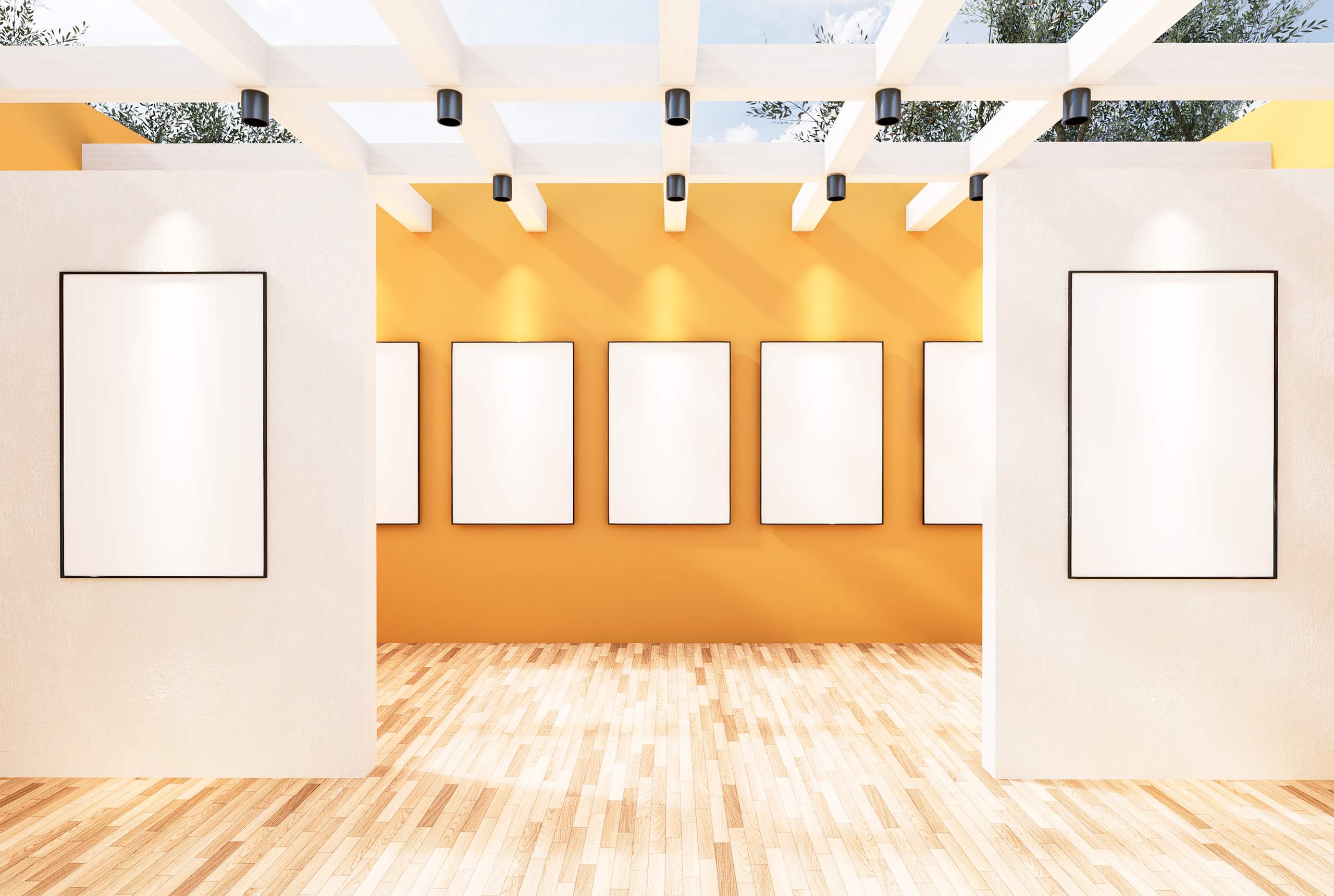
Good exhibition design makes it easier for visitors to interact with content. The layout, space, lighting and visual components of a design influence the way in which the visitor interacts with an exhibition.
Design allows us to guide visitors through an exhibition and let them explore and learn at their own pace. When visitors can make their way clearly and with a clear route, it is easier for them to enjoy and enjoy it. The design also affects the emotional state of the visitor. A well-thought-out and thought-through design will allow visitors to be involved with curiosity or excitement, or will allow them to have the opportunity to reflect or feel emotionally attached to the story they are told in an exhibition.
The Use of Interactive Elements
In modern exhibitions, interactive elements have come into play, making them more prevalent. Digital installations and multimedia installations, or activities that involve participation in an experience, provide visitors with a way to get involved and learn through active engagement rather than through passive observation.
By incorporating interactive elements, complex concepts or subjects like history or culture can be simplified and clarified. For instance, with the use of digital resources it is possible to recreate historical places and spaces as they were in the past, and with the use of interactive resources it is possible to delve deeper into information about specific objects. However, interaction should always enhance and reinforce the main message of an exhibition, not detract from the cultural message.
Accessibility as an Essential Ingredient
A positive visitor experience should be available to as many visitors as possible and the design of exhibitions should therefore be universally accessible. Accessibility to exhibitions today should be considered in terms of physical accessibility and communication and should be reflected in the inclusive design of exhibition proposals.
This means offering accessible and inclusive content in a range of formats, including but not limited to clear and easy-to-understand language, multilingual information, physical accessibility and diverse opportunities to engage with content. The goal of these proposals is to ensure that culture is available to all regardless of ability or social circumstances.
The aim is to be a part of the process of creating accessible and welcoming cultural spaces.
The Development of Future Specialists
The emphasis on visitor experience has required a change in the profile of those working in the field of exhibitions, with the need to develop skills in design, communication, audience analysis, and project management to create better exhibitions.
Students in exhibition studies must acquire these skills to be able to translate creative ideas into methods that will make the experience of visitors a success. These skills are essential for those working in museums, galleries, cultural institutions and other educational projects.
The work that is done today will prepare future exhibition experts to continue exploring new ways to engage audiences with culture and knowledge.
Final Remarks
Visitor experience is now a core component of exhibition development. A good exhibition does more than just show objects. An exhibition provides an opportunity for visitors to learn, discover and connect on an emotional level.
Good planning, with a focus on visitor needs, clear communication and innovative proposals, will provide for more successful exhibition development and for the creation of more engaging cultural spaces, with a wider reach to all.