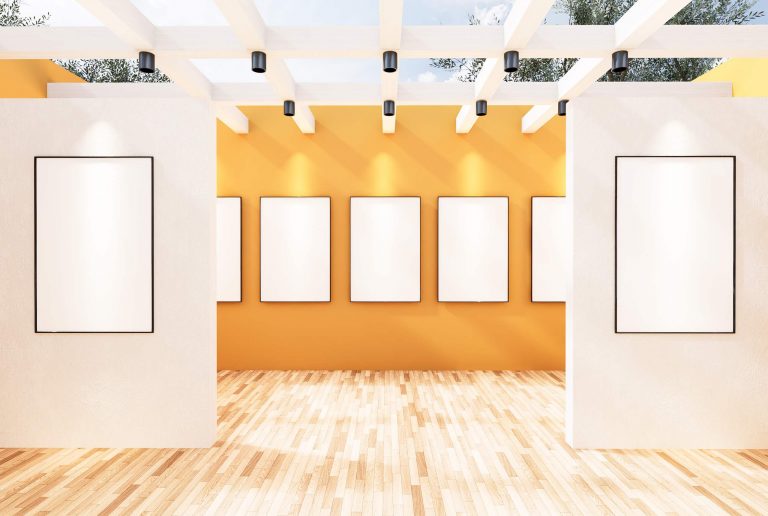

An exhibition is more than a gallery of artifacts on view. It is an arena for crafting and communicating narratives. The most effective shows don’t just impart knowledge, they take audiences on journeys filled with opportunities for discovery, insight, and emotional resonance. Storytelling is, in fact, one of the cornerstones of modern museum curation, as it gives meaning to otherwise dry or mundane displays. With creative and meticulous exhibition planning, guides can help patrons comprehend the relevance of an exhibition’s contents and the stories these pieces hold.
From Artifacts to Artistic Narrative
Every single item in a museum has a story. However, that story is not always apparent. A museum exhibit that allows visitors to understand the context or story behind an exhibit item adds significance and depth to otherwise simple collections and objects. For example, curators can use their storytelling abilities to tie exhibits to past events, people and places. Rather than just showing a lone museum piece, curators can tell a visitor about the exhibit itself, the object’s relevance, and its significance to our shared culture or individual.
Spatial Narrative Design
An exhibition’s physical layout plays a crucial role in the visitor’s interaction with the exhibition. It is the responsibility of the curator and museum staff to determine how visitors will encounter an exhibit, what they will see in each section, and how they will flow through the exhibit. The exhibit’s organization and use of light and sound should also be carefully designed. All of the above contribute to the overall narrative an exhibition is trying to communicate. By carefully designing the organization and flow of an exhibit, visitors can be taken on a journey of understanding that will allow them to engage with an exhibit.
Developing Exhibitions for Diverse Audiences
It is important to remember when designing exhibits that they must be meaningful to as many patrons as possible. Because visitors come from a variety of backgrounds and have a wide range of knowledge, exhibits must make themselves understandable for everyone. This includes providing guides for the exhibit, multimedia resources, tours and interpretive programs, among others. These tools help make an exhibition comprehensible and interesting, as well as engaging for visitors of all knowledge levels and learning styles. Accessibility in this case goes beyond just catering to the needs of those with varying physical abilities; it refers to all visitors and their ability to enjoy an exhibition.
Combining Conventional and New Media Storytelling
In addition to the above, new media and technology play an important role in how we present narratives within the world of exhibition design. With the help of screens, virtual and augmented reality and interactive apps, exhibitions can present information in fresh, compelling ways. New media tools can enhance exhibits or present information not available through traditional exhibit design alone. The role of new technology is one of enhancing, rather than overwhelming an exhibit.
Training for the Next Generation of Exhibition Designers
An exhibition designer’s role requires both artistic abilities and research skills. They should be trained in both the creative development of an exhibit, as well as the practical logistics needed to make an exhibition successful. Courses in exhibition studies cover all aspects of exhibition design. Topics can range from conceptualizing an exhibit, to exhibiting design, project management and audience analysis. As museums change and adapt to a new era, exhibition designers will play an increasingly significant role in the way in which visitors engage with their exhibits.
The Importance of Storytelling in Exhibition Curation
In the end, storytelling remains a critical component of exhibition curation. By connecting visitors to exhibits, museum staff can transform exhibits into educational, inspirational experiences that foster a sense of personal connection to a particular topic. Exhibition professionals who understand how to effectively combine narrative, exhibit design and audience engagement will play a pivotal role in helping to create compelling and accessible exhibits for years to come.