
A successful exhibition always starts with a spark of inspiration. Whether that idea takes the form of a historical narrative, an art showcase, or a cultural initiative, the work necessary to turn that idea into a full-fledged experience for guests involves extensive planning, research, and a collaborative team effort. Exhibition planning is the groundwork that links creative ideas to practical ideas, ensuring every facet of the exhibition complements the others.
Every exhibit that captivates and engages visitors follows a specific, organized sequence of steps. This process is guided by individuals experienced in storytelling, designing, organizing, and interacting with an audience.
The Birth of an Exhibition Idea
A well-defined concept is the very first phase of exhibition planning. The question of the purpose of an exhibition, what information is it meant to share, and who are the intended readers must be answered.
Ideally, having a concept helps direct all future decisions about the objects displayed, information presented in the gallery, or the exhibition layout itself. If the exhibition lacks a clear direction or path, it can easily lose focus and fail to offer a worthwhile experience for the public. During this phase, specialists conduct research, study the collections at their disposal, and study historical or cultural artifacts. The most significant topics are identified, and the methods of introducing these ideas into a coherent, interesting narrative are determined.
Content Organization and Material Selection
When the concept is established, the exhibition team can begin organizing and arranging the contents of the exhibit. This includes the selection of objects, visuals, archives, and other material supporting the main idea.
The process of selection is very deliberate in nature since each piece needs to fit into and help tell the story. An abundance of content doesn’t necessarily make for a strong exhibition; indeed, the effective communication of a thought may require the selection and presentation of fewer pieces. Curators and exhibition experts also focus on how guests will interpret and understand the connection between the various components. Information must be logically organized so that individuals can navigate an exhibit and understand the flow of the story with ease.
Designing the Visitor Experience
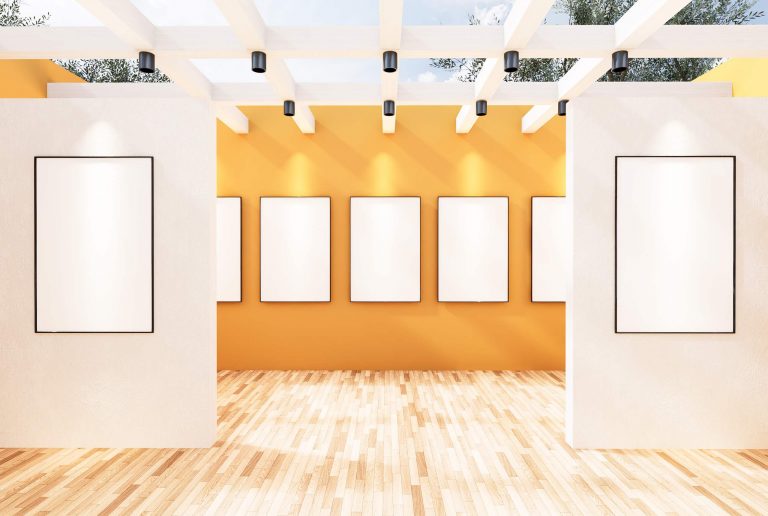
One of the crucial elements of exhibition planning is to establish the visitor route or path through the space. The way that the exhibition is organized, the placement of sections, objects, and text, affects the manner in which guests are exposed to an exhibition. Professionals focus on what is the best place for the guest to begin the exhibition, what information should they first come in contact with, and what would be the best progression of events from one area to the other. It is like planning an informational and visual course that leads an individual through an exhibition.
Planning ensures that the layout of a display space feels seamless and conducive to exploration and discovery while remaining inviting and approachable for visitors.
Bringing Different Professionals Together
Exhibition design is a multidisciplinary process, and thus a number of experts are required in the course of the project’s implementation. Curators, design personnel, education consultants, conservators, technicians, and project managers are just some of the specialists who provide input, advice, and direction.
It is very important for a team to work in concert, as designers need a full understanding of the exhibition idea, conservators must be sure the artifacts remain intact, and project managers must maintain the project timeline and the required funding. The cooperation between members of the team is what makes an idea an idea that is not only an idealistic one but also an achievable one that can be introduced to the public in a very successful way.
Preparing Exhibitions for Tomorrow’s Demands
As technology is evolving and the tastes of a visitor change, the field of exhibition design is changing along with it. The practice of planning is now often enhanced by the integration of digital media, interactive technologies, and e-learning. Online and mobile-based platforms have increased the potential scope for the presentation and sharing of cultural knowledge.
Online exhibitions and virtual collections and multimedia-based resources offer cultural institutions the opportunity to communicate their collections and materials with a broader public and to offer them additional and innovative methods of communication. Exhibits of the future will require the expertise of exhibition design specialists who will combine their traditional understanding with more modern methods in the interest of creating exhibitions that are contemporary and interactive.
Final Remarks
The process of exhibition planning is the one that turns an idea into a valuable cultural offering. It includes creativity, planning, research, and the cooperation between various professionals. A successful exhibition is not simply a means of imparting knowledge, but the vehicle for storytelling, a medium for the creation of meaningful encounters, and a means for a visitor’s self-discovery. The ability to plan and to present exhibitions in the modern-day world is a necessary skill for anyone looking for work in that area.