An exhibition is not just about a set of objects exhibited in a well-planned environment. It is a set of carefully constructed experiences where the exhibition is an environment that leads the visitor to stories, emotions and discoveries. A successful exhibition is the result of the combined efforts of specialists who conduct thorough research, make creative decisions, design the exhibition space and manage the exhibition.
To create an exhibition, specialists should understand what is at stake in exhibition, how visitors consume information and how visitors interact with the exhibition environment and spaces. Today, an exhibition is a tool used for learning, entertaining and making a meaningful connection between the visitor and the object exhibited.
What is the core of an Exhibition?
An exhibition starts with a concept. Before a set of objects to be exhibited can be chosen and a space can be designed, the specialists need to decide the key idea they would like to share with visitors. An effective concept will allow the information in the exhibition to be well organized. It will also help the specialists to be consistent in their design decisions to make sure that the overall exhibition reflects the core idea.
A concept is created based on the research into archival documents, the review of existing collections and the decision of the specialist to select an appropriate theme for the exhibition. It is a key process that will not be only about displaying as many objects as possible, but rather about displaying an appropriate number of objects that allow telling a story about the chosen topic.
In this way, a strong concept ensures that a visitor understands the meaning behind a particular object and understands connections between different objects in an exhibition.
Why is Exhibition Design Important?
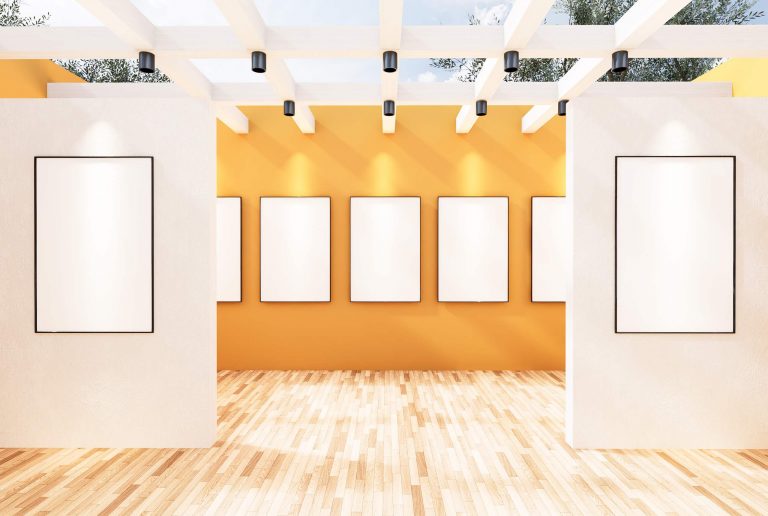
Exhibition design will significantly affect the visitor experience. How a space is organized, how it is illuminated, how color is used, what are visitor pathways and what objects are displayed in a given area all affect how visitors will walk through the space, how will they interact with the information, where will they look and what objects they will read about.
An exhibition designer will need to carefully plan the exhibition environment to ensure that visitor pathways are intuitive, to define starting points, to design appropriate information presentation and to consider a visual relationship between different exhibition components.
Effective exhibition design will support and not distract from the exhibition theme. It will allow for a focused exploration of the exhibition content and will enable visitors to form their own interpretations of the exhibition.
Visitor Engagement in Exhibitions
In recent years, the importance of visitor engagement has been widely recognized. Today, museums and other cultural institutions seek to make their exhibitions more visitor centric, moving beyond traditional exhibit display to more interactive, educational and visitor-friendly ways of sharing exhibitions.
Multimedia, digital tools, educational programs and interactivity are used in an exhibition to help visitors to better connect and understand the exhibition content. Visitors use technology to explore new topics of interest such as history and different areas in society. They can interact with an exhibition and share their impressions with other visitors. Digital technology also helps educators to design educational activities appropriate for different age groups.
However, the use of digital technologies should not replace traditional exhibition content. The most successful exhibitions will find a balance between using cutting-edge technologies and telling a compelling story.
Exhibition Management Process
Behind every exhibition is a project management process where specialists in different fields work together to produce an exhibition. These specialists include curators, design and installation teams, conservators, education and interpretation specialists and others.
Successful exhibition projects will need the use of project management skills such as scheduling, budgeting, communication, and resource management to effectively manage the work of these different teams. Even the most interesting exhibition ideas need to be carefully managed to ensure their successful realization to a public audience.
A strong understanding of the exhibition development processes will help future exhibition professionals to manage exhibition projects effectively and to solve problems efficiently.
How is the field of Exhibition Development Changing?
Today, the field of exhibition design is changing as new technologies and emerging visitor needs affect the way cultural content is shared with a wider public. Digital tools, virtual exhibitions and interactive approaches offer new opportunities for museums and cultural institutions around the world to connect with a public.
A professional working in the exhibition field of tomorrow will need to have the expertise of a designer, a manager, and a technology expert. The ability to combine the knowledge of exhibition development and the knowledge of technology will become essential.
In the end, exhibition design will continue to play a key role in making museum collections accessible to the public and inspiring new audiences to engage with cultural materials.
Conclusion
In conclusion, an exhibition is more than just objects placed in a room. It is the result of a series of carefully considered activities involving research, concept creation, design and management. ExhibitForge aims to help future exhibition designers learn how to manage an exhibition and how to create a visitor experience that will not only inform and educate, but will also inspire visitors and will be remembered long after they have left the exhibition.